
Strength + VO2 Max = Longevity
Fitness is highly linked to a longer (and better) lifespan.
Most people join the gym for a couple of reasons. They want to lose a few pounds or they want to get stronger and feel better. We all have been told over and over that carrying extra weight and not exercising are bad for your heath. We get it, but lets look at how much it can help if done right.
One of the biggest things we keep seeing online and hearing about in the gym are the growing number of studies released recently linking physical fitness to lifespan. Researchers are finding that strength and cardiovascular fitness (VO2 Max) are arguably the two most potent things we have for preventing early death.
Lets break it down.
The Strength Stat (200% Reduction)
Lifting weights started to get big in the 70’s & 80’s and then really took off and became mainstream in the 2000’s through CrossFit and social media. Now, we know it is critical for aging.
The data suggests that individuals with high levels of muscle strength have a significantly lower risk of all-cause mortality (the total number of deaths from any reason) compared to those with low strength. Some studies quantify this as a decrease in risk of nearly 200%.
Why does muscle matter so much?
1. Sarcopenia Prevention. As we age everyone naturally loses muscle. This is a process called Sarcopenia. Starting in your 30s, you lose about 3 to 5% of your muscle mass every decade. Around age 60, that loss accelerates. If you start lifting at 65, you can slow the loss and even rebuild some strength (up to 30-40% increases are common). It is never too late to start. But if you lift your whole life, you build a muscle reserve. Even as natural age-related decline happens, you are starting from such a high peak that you may never reach the frailty threshold where you can't get out of a chair or climb stairs. This muscle mass protects bones from impacts that could cause a break.
2. Metabolic Health and Diabetes. Muscle is the body's largest storage site for glucose (blood sugar). Several things happen as you age that increase the risk of type 2 diabetes. People tend to move less and have less muscle, but they do not change their diet. This increases the strain on your pancreas leading to damage which increases T2 Diabetes. The more muscle you have, the better your body can manage blood sugar levels, reducing your risk of Type 2 Diabetes and metabolic disease.
The VO2 Max Stat (400% Reduction)
VO2 Max is a way to measure the maximum amount of oxygen your body can use during intense exercise. It is the gold standard of cardiovascular fitness.
A landmark study in the Journal of the American Medical Association found that cardiovascular fitness is the single best predictor of longevity. Comparing those in the bottom tier of fitness to those in the top tier (the top 2%), the risk of early mortality dropped by roughly 400%.
The headlines usually focus on elite athletes. But the data shows you don't need to be an Olympian to see the benefits. Here is what it takes to climb the ladder:
Step 1: The Consistent Mover (Above Average). To be fitter than half the population, you need to sweat. A sedentary person has a 200% higher risk of early death compared to you. This requires 3 to 4 hours per week. This is the person who exercises 3 times a week doing gym sessions that mix weights and cardio. Casual walking isn't enough here. You need moderate intensity where breathing is hard enough that you can talk, but you would rather not.
Step 2: The Everyday Athlete (High Fitness). This is the sweet spot. You are in the top quarter of the population (Top 25%). A sedentary person has a 300% higher risk of early death compared to you. This takes 5 to 6 hours per week. This is the person who trains 4 to 5 days a week using structured workouts like CrossFit or heavy weight training. You need to be pushing your heart rate to your respiratory limit at least a few times a week.
Step 3: The Elite (Top 2%). A sedentary person has a 400% higher risk of early death compared to you. This requires 7 or more hours per week of specific, grueling training. Notice the diminishing returns? Moving from High to Elite requires almost double the effort for a smaller relative gain.
The Bottom Line. For most people with jobs and families, Step 2 (High Fitness) is the goal. It offers nearly maximum protection for a realistic time investment.
A sedentary person has a 200% higher risk of early death compared to a consistent mover who sweats.
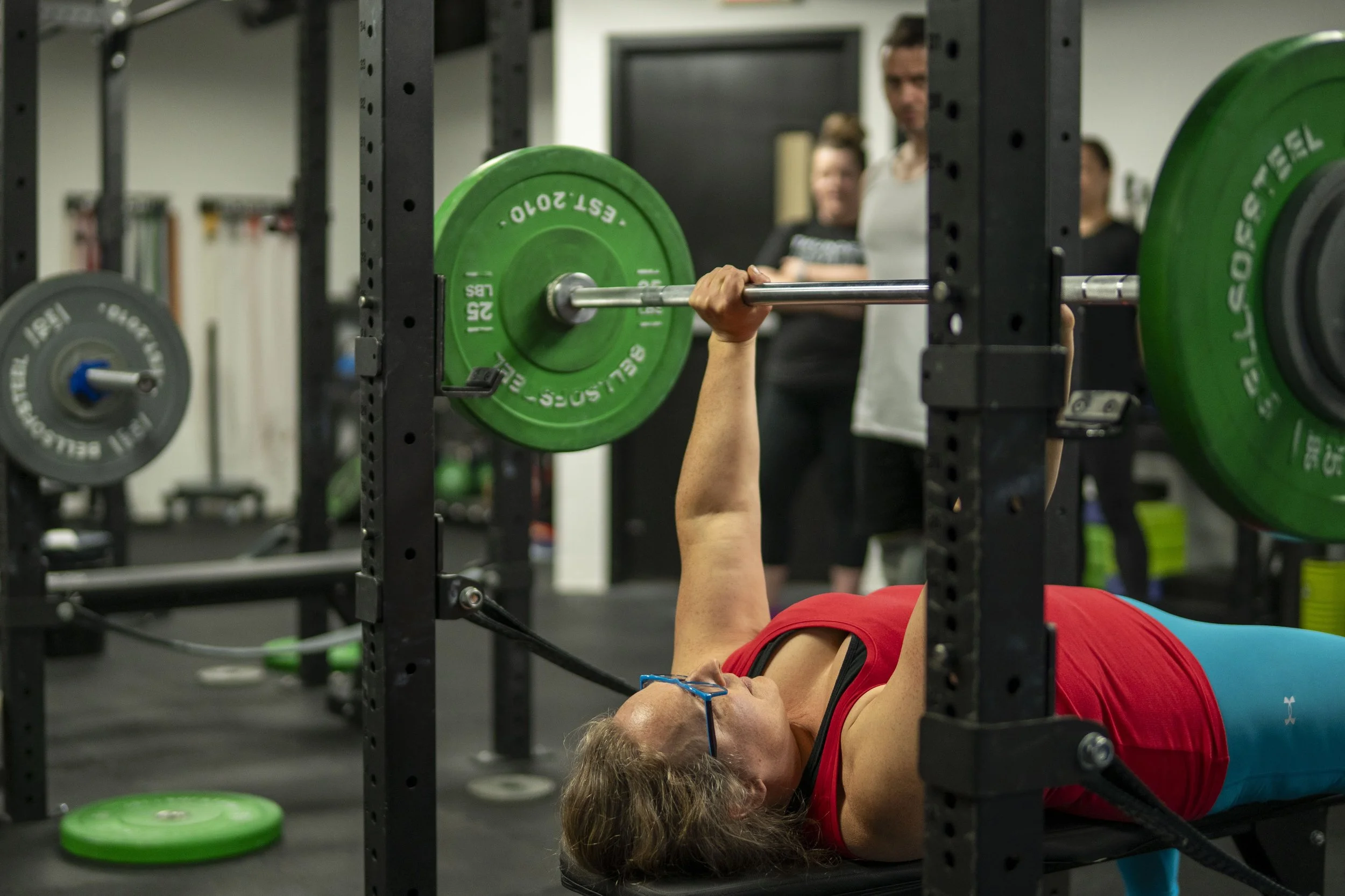
Lift heavy things and push your limits for the best health.
Why You Need Both
For decades, people picked sides. You were either a runner or a lifter. The data tells us that the longest-lived humans are the ones who do both. You need the VO2 Max to keep your heart and lungs efficient so oxygen gets to your brain and organs. You need the strength to maintain independence, protect your skeleton, and regulate your metabolism.
How to Train for Longevity
The prescription is simple, but it requires effort.
1. Lift Heavy Things. You cannot build adequate strength with very light weights. You need to provide a stimulus that forces your body to adapt. This means lifting weights that feel challenging for 5 to 10 repetitions.
2. Push Your Limits. Walking is good for general health, but it doesn't improve your VO2 Max significantly. To expand your cardiovascular capacity, you need intensity. This means getting your heart rate up high for short intervals or sustaining a pace where conversation is difficult.
You are not just training to look good. You are training for a longer, better quality life.
Take the next step
If you are ready to rebuild your energy, strength, and confidence, let’s talk. Sit down with us for a free No-Sweat Intro, where we will go over your goals and design a strategy that works for you.