
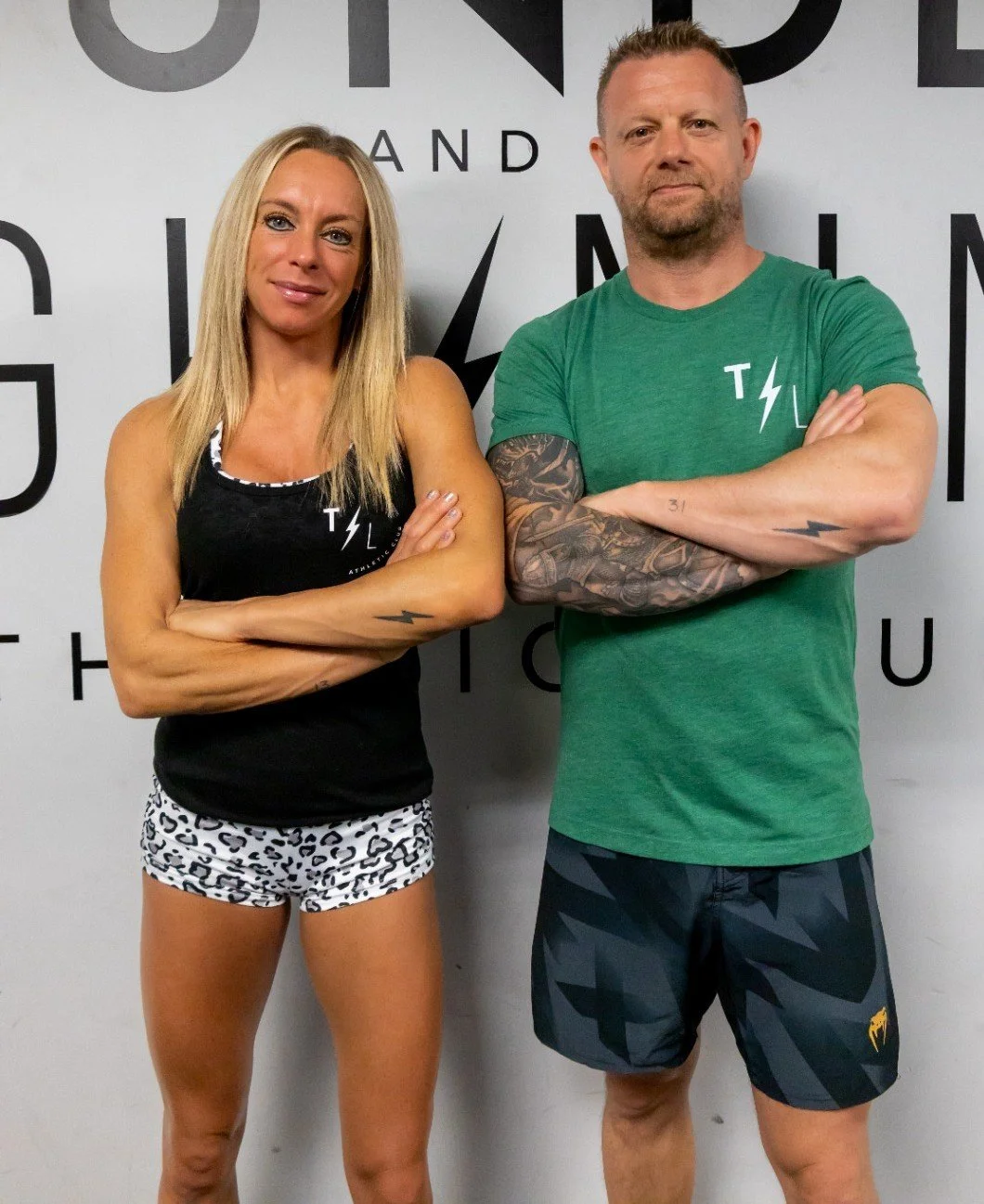
A coach changes the equation.
Most people who train without a coach do not think of it as a choice with consequences. They think of it as the default. You join a gym, you figure it out, you show up when you can, and you hope the results follow.
Sometimes they do. Often they do not. And the gap between what people achieve training on their own and what they achieve with proper coaching is larger than most people realise, not just in terms of results, but in terms of consistency, safety, enjoyment, and how long they actually stick with it.
This is not an argument that you cannot make progress without a coach. You can. But understanding what uncoached training typically costs you over time is worth an honest look.
Results and Strength Gains
The research on coached versus uncoached training is consistent. People who train with a coach get stronger faster, lose more fat over the same period, and make more measurable progress toward their specific goals than people training alone.
A large part of this comes down to programming. When you train without a coach, you are making decisions in real time about what to do, how heavy to go, and how to progress from one session to the next. Most people, even experienced ones, default to what is comfortable. They do the movements they are good at. They avoid the ones they find difficult. They add weight when it feels right and back off when it feels hard.
This is not a criticism. It is just how people work without external structure.
A coach removes that ambiguity. The program is written in advance. The progressions are planned. The loads are prescribed based on where you are and where you are going. You do not get to skip the hard things because they are inconvenient. And over months and years, that consistency of effort in the right direction compounds into significantly better results than effort applied inconsistently and without a clear plan.
Consistency and Adherence
This is arguably where the gap is widest.
Studies on exercise adherence consistently show that people who train with a coach or in a coached environment stick with their training at significantly higher rates than people training alone. The numbers vary by study, but the direction is always the same. Accountability matters enormously.
When nobody is expecting you, it is very easy to talk yourself out of a session. You are tired. Work was hard. You will go tomorrow. Tomorrow becomes next week. Next week becomes a month off. A month off becomes starting over.
Most people have been through this cycle more than once. It is not a willpower problem. It is a structural problem. Without external accountability, the decision to train has to be made fresh every single day against whatever else is competing for your time and energy. That is a hard battle to win consistently over months and years.
A coach changes the equation. Someone is expecting you. Your program is waiting. The session is planned. The activation energy required to show up drops significantly when the decision has already been made for you.
Injury Prevention
This one has long term consequences that most people do not account for until they are dealing with them.
Training without coaching means training without consistent form feedback. Bad habits develop quietly. A slight forward lean on the squat. A hip shift on the deadlift. An elbow flare on the bench. Individually these things feel fine, especially under lighter loads. Under heavier loads, over hundreds of repetitions, they become the source of the shoulder problem, the lower back issue, the knee pain that shows up one day and does not go away.
Injuries do not just hurt. They interrupt training, sometimes for weeks or months. They create compensations that cause secondary problems. They accumulate over time in ways that limit what you can do years down the track. And they are significantly more common in uncoached populations precisely because nobody was watching closely enough to catch the pattern before it became a problem.
A coach watches every set. They see the things you cannot feel. And they correct them before they compound into something that costs you months of progress and a physio bill.
Long Term Progress Versus Plateau
Uncoached training has a ceiling, and most people hit it earlier than they expect.
The early gains from any training program come relatively easily. Your body is adapting to a new stimulus and progress feels fast. But adaptation is the goal of training, and once your body has adapted to what you are doing, it stops changing in response to it. To keep progressing you need to keep providing a new stimulus, and that requires programming that evolves intelligently over time.
Most people training without a coach do not do this systematically. They add weight when they feel strong and repeat the same sessions when they do not. They cycle through the same movements for months without meaningful variation. And eventually the progress that felt so clear in the first few months slows to a crawl and then stops.
This is not inevitable. It is just what happens when training is not being managed by someone whose job it is to think about where you are going next.
Satisfaction and Enjoyment
This one is less talked about but genuinely important.
Training is hard to sustain over years if you do not enjoy it. And enjoyment in training is closely tied to feeling like you are progressing, feeling competent in your movements, and feeling connected to the people around you.
Coached training tends to score higher on all three. You know what you are doing and why. You can see your progress tracked over time. You have a relationship with a coach who is invested in your outcome. If you are training in a group, you have people around you who are on the same journey.
Solo training in a commercial gym can feel isolating and directionless, especially when the results are not coming. That feeling is one of the most common reasons people quietly drift away from training altogether.
people who train with a coach or in a coached environment stick with their training at significantly higher rates than people training alone.
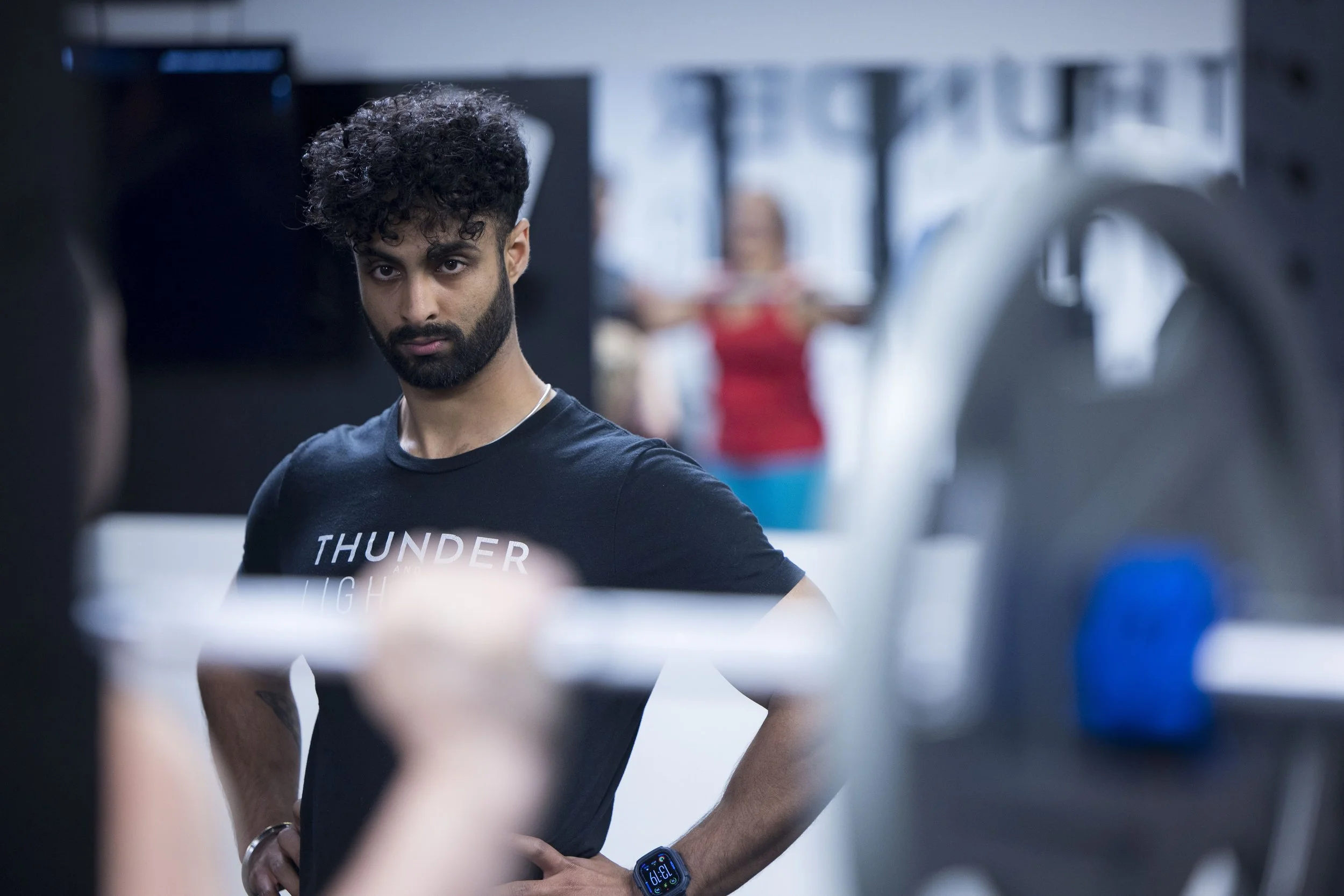
Uncoached training has a ceiling, and most people hit it earlier than they expect.
What This Actually Costs You
Add it up over a year of training without a coach.
Slower progress means more time to reach the same goal, if you reach it at all. Lower adherence means more gaps, more restarting, more time spent recovering ground rather than gaining it. Higher injury risk means interruptions, physiotherapy costs, and the long term accumulation of limitations that affect what you can do in your 50s, 60s, and beyond. And lower enjoyment means a higher chance of eventually stopping.
The cost of not having a coach is rarely visible in any single session. It accumulates quietly over months and years in the gap between what you achieved and what you could have achieved.
Good coaching does not have to cost $1,000 a month. But it does need to be consistent, personalised, and present. If you have been training on your own and feeling like something is missing, it probably is.
Take the Next Step
If you are ready to train with a real plan and real support behind you, let's talk. Sit down with us for a free No-Sweat Intro, where we will go over your goals and design a strategy that works for you.