
Yale's Most Popular Course Ever Was About Happiness. Here's What It Found.
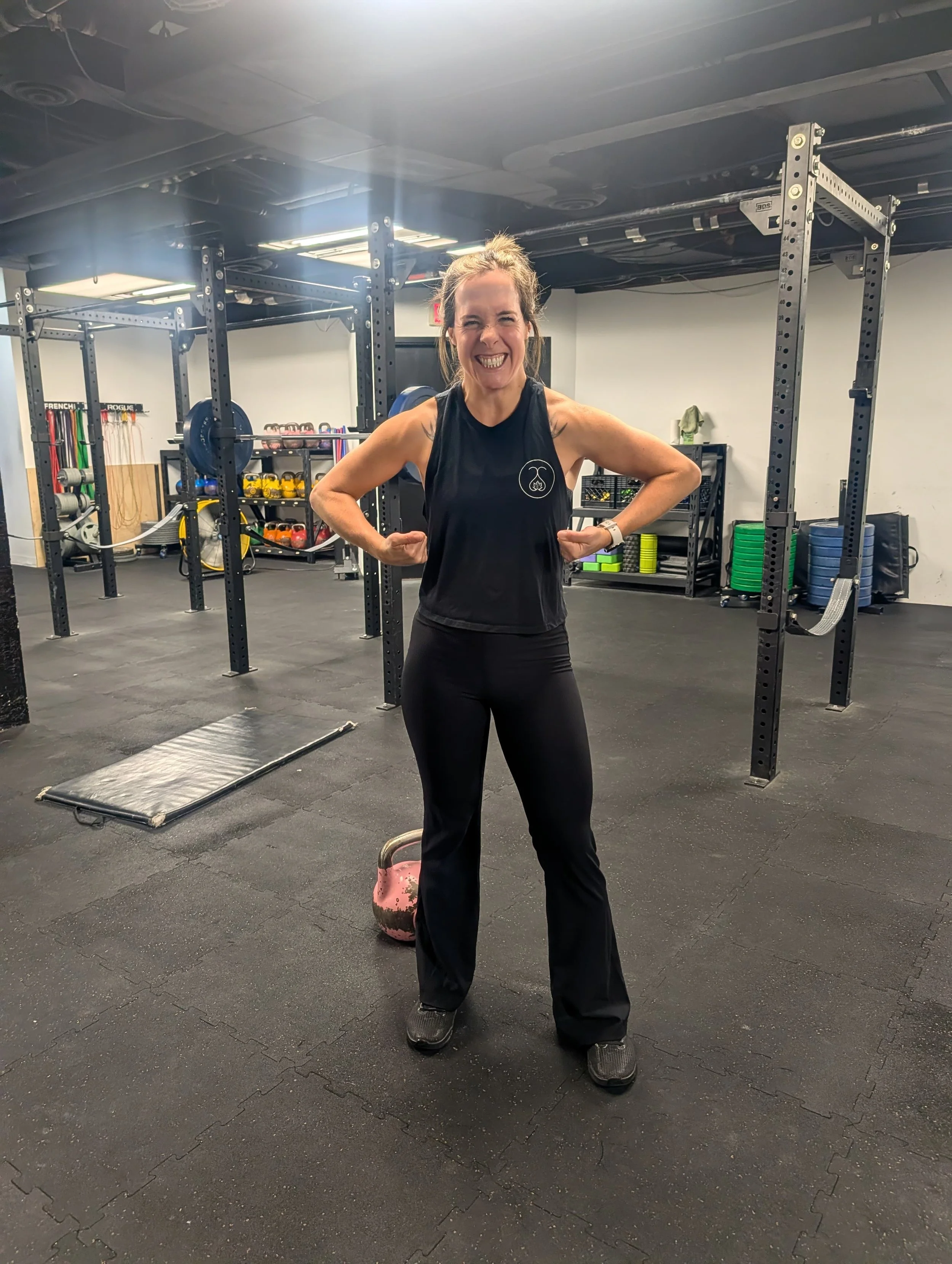
Sleep, exercise, time with people you like, gratitude, a bit of mindfulness, doing something nice for someone else - keys to happiness.
TL and I were cruising IG and came across a post about this and thought a lot of what it was about really applies itself to our members and people in general who are looking to make a change. It was about a psychology course on happiness that grew to be one of the most popular free course given online. In 2018 a Yale psychology professor named Laurie Santos started teaching a class on happiness, and it quickly became the most popular course the school had ever run. Over 1,200 students signed up that first semester. The free online version has now been taken by more than 4.5 million people. That's a lot of people looking for the same answer.
The story goes that she built it because she was watching her students struggle, get stressed, anxious and run on empty. Since it's a psychology class the answers should already be there… they just weren't getting to the people who needed them.
We think what came out of it is worth a few minutes of your time, whether you train with us or you're just thinking about it.
Most of what we chase doesn't do much
The course starts by explaining that people typically are going after the stuff most of us assume will make us happy. More money, nicer things, perfect grades, a promotion. Turns out the research says those don't do a whole lot for how happy you are long term, and chasing them too hard can actually come back to bite you.
The things that do help are pretty boring by comparison. Sleep, exercise, time with people you like, gratitude, a bit of mindfulness, doing something nice for someone else. Your grandparents probably could have told you most of that.
So the interesting part isn't the list.
The part that got our attention
A few years later, researchers from Johns Hopkins and Yale checked whether the course actually did anything. They compared people taking the happiness course with people taking Yale's online Intro to Psychology. Same school, same format, both about how the mind works.
Both groups felt a bit better afterwards. But the happiness group came out ahead, and when you look at why, it's pretty simple. The psych course taught. The happiness course gave people homework: sleep more, build an exercise routine, meditate, reach out to people.
The lead researcher said: "Knowledge is great but it isn't enough. You also have to do the work."
That line hit close to home. Nobody walks in thinking exercise is bad for them. They know. The hard part is doing the work, and some days it's hard enough just getting people in for a consultation, let alone showing up for the years that real change takes.
(Quick note, because we don't want to oversell this. The researchers said the improvements were modest, and a course like this isn't a replacement for therapy or medication if you're dealing with something clinical. Modest and real is still worth having though.)
Knowledge is great but it isn't enough. You also have to do the work.
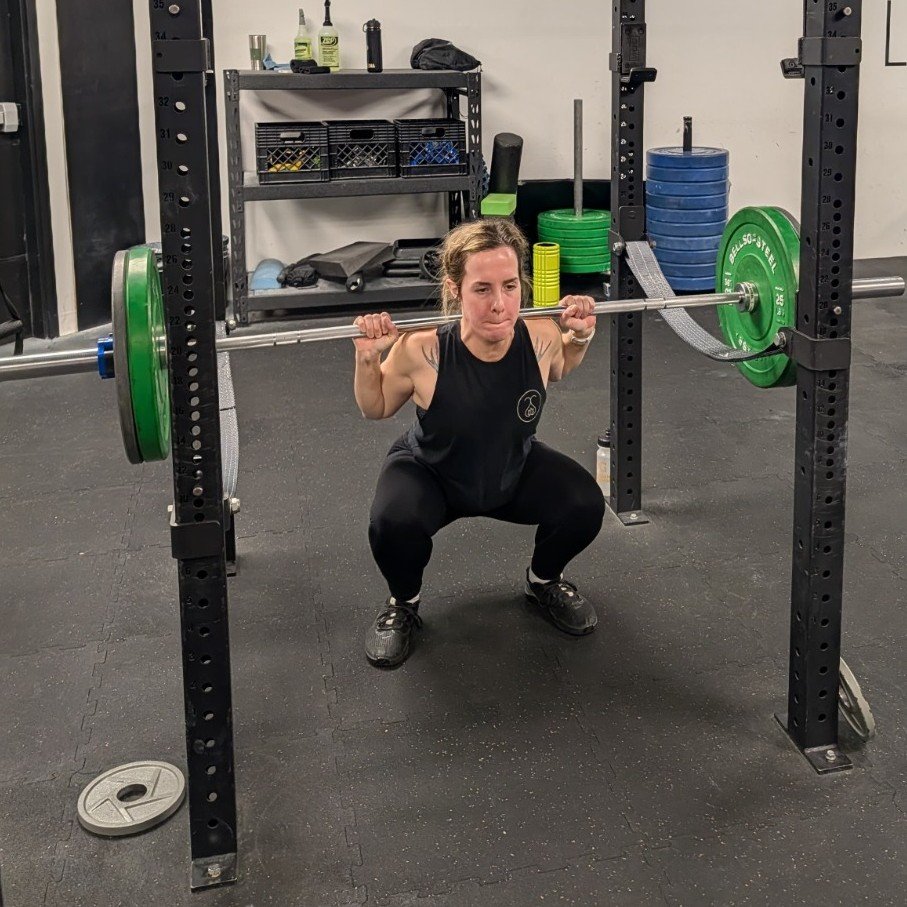
Consistent workouts in a supportive community are a key part of a healthy, happy life.
Where the gym comes in
Go back to that list of what works and it's kind of funny how much of it happens here.
Exercise, obviously. Sleep usually gets better once people are training regularly and are actually tired at night. And the social side is the one people underestimate. You start coming to the same class, you see the same faces, and a few weeks in someone asks where you were on Tuesday. That matters more than people expect.
The "do the work" part is really just what coaching is. Somebody writes the plan, somebody expects you, and you've got a reason to show up on the days the couch is winning.
Here’s what our member Molly said after we asked her how she felt from PRing one of her lifts. It is so much more than just hitting a big deadlift.
I felt so happy to see tangible progress and it motivated me to work even harder going forward.
I think my hard work and consistency paid off! Also, I noticed how much of a difference it made having you coaching me and programming everything so I just need to show up and lift.
If you want to try it this week
You don't need to sign up for a big course online. Try and move most days and make a couple of those sessions hard. Treat sleep like part of your training, because it is. Train with people when you can instead of alone with your headphones in. And pick one small thing, like writing down a few good things before bed, and do it every day for a month. Not forever. Just a month. See what happens.
Take the Next Step
If you're ready to stop knowing what's good for you and start doing it, come in for a free No-Sweat Intro and we'll build a plan that fits your life.
Book your free No-Sweat Intro here.
References
Yaden, D. B., Claydon, J., Bathgate, M., Platt, B., & Santos, L. R. (2021). Teaching well-being at scale: An intervention study. PLOS ONE.
Yale News (2021). How to gain a sense of well-being, free and online.