
What Diet Really Does: Fuel, Recovery, and Results
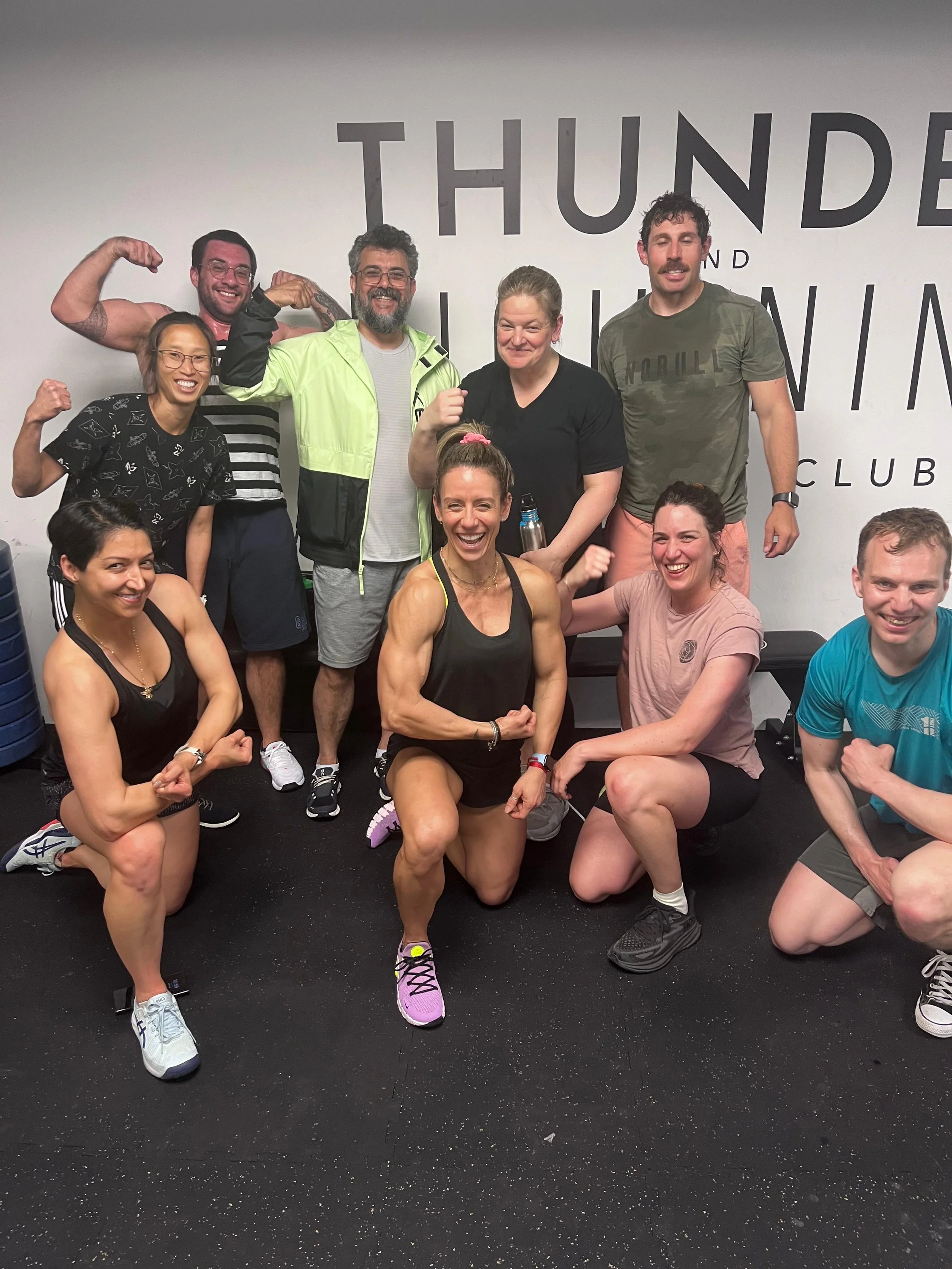
To keep muscle, you must use and feed it.
The fitness industry is full of noise. Keto, Carnivore, Vegan, Intermittent Fasting. Everyone has a camp. Everyone has a sales pitch.
We are not interested in trends. We are interested in physiology. We focus on what works not just for a few weeks or months, but for the long term. Things you can do now, sustain for the rest of your life, and hopefully pass on to your family.
Here is the simple biological truth: training is the stimulus and food determines what you are going to build with.
When you lift weights, you are sending a signal to your body to adapt. But you cannot build a solid structure without the proper materials. If you have a great training plan but poor nutrition, the process fails.
Muscle: Breaking vs. Building
There is a misconception that you build muscle while you are at the gym.
You do not.
When you lift heavy weights, you are catabolic. You are breaking muscle tissue down. You are creating micro-tears in the fibers and depleting your energy stores.
Growth is anabolic. It happens when you leave. (Mostly when you sleep…)
To repair this damage and build stronger tissue, your body requires specific macronutrients. Each plays a distinct role.
Protein
Protein is the primary raw material for muscle repair. When you consume protein, your body breaks it down into amino acids. These amino acids are used to repair the micro-tears caused by lifting weights. Without sufficient protein, muscle synthesis cannot occur.
Carbohydrates
Carbohydrates are the body's preferred energy source for high-intensity training. They are stored in the muscles as glycogen. Lifting weights depletes these glycogen stores. Eating carbohydrates after training replenishes this energy, and this is key as it prevents the body from breaking down muscle for fuel, and aids in recovery.
Fats
Fats are essential for hormonal regulation. They support the production of testosterone and other hormones that drive growth and recovery. They are also necessary for absorbing vitamins and maintaining cell membrane health.
We will discuss exactly when to eat these nutrients for maximum effect in our next blog post on exercise and nutrient timing.
Body Composition is Not Weight Loss
At the end of the day we really shouldn’t care what the scale says. We care what you are made of.
There is a difference between weight loss and fat loss.
If you simply eat less but continue to eat processed foods low in nutrients, you will lose weight. But you will likely lose muscle mass along with fat. This lowers your metabolic rate and changes your body composition for the worse.
To look athletic, you must keep the muscle.
To keep the muscle you must use it and feed it. This requires nutrient-dense food. You need to signal to your body that it has enough fuel to maintain expensive tissue like muscle.
The Sleep Connection
In Week 1 of this blog series, we discussed why sleep is non-negotiable. Your diet dictates the quality of that sleep.
There is a direct link between what you eat and how you sleep.
If you eat high-sugar or highly processed carbohydrates, your blood glucose spikes and then crashes. If this crash happens while you are asleep, your body releases cortisol and adrenaline to stabilize your blood sugar.
Cortisol is a stress hormone. It wakes you up.
If you consistently waking up in the night, it is often not because of work stress. It is a blood sugar issue. Stable nutrition leads to stable sleep. Again, we will look at nutrient timing in the next blog.
Inflammation and Injuries
We hear people complain about achy knees, stiff backs, or elbows that won't stop hurting. They assume it is because of the lifting or the age on their driver's license.
Often, it is inflammation caused and or exacerbated by food. (We will be going into detail on this in a few weeks.)
Highly processed foods, excess sugar, and industrial seed oils create systemic inflammation. This makes your joints swell, potentially aggravating existing injuries and your recovery slow.
We have seen people clean up their diet and watched their chronic joint pain start to fade.
Fuel your body properly for better fitness and health results.
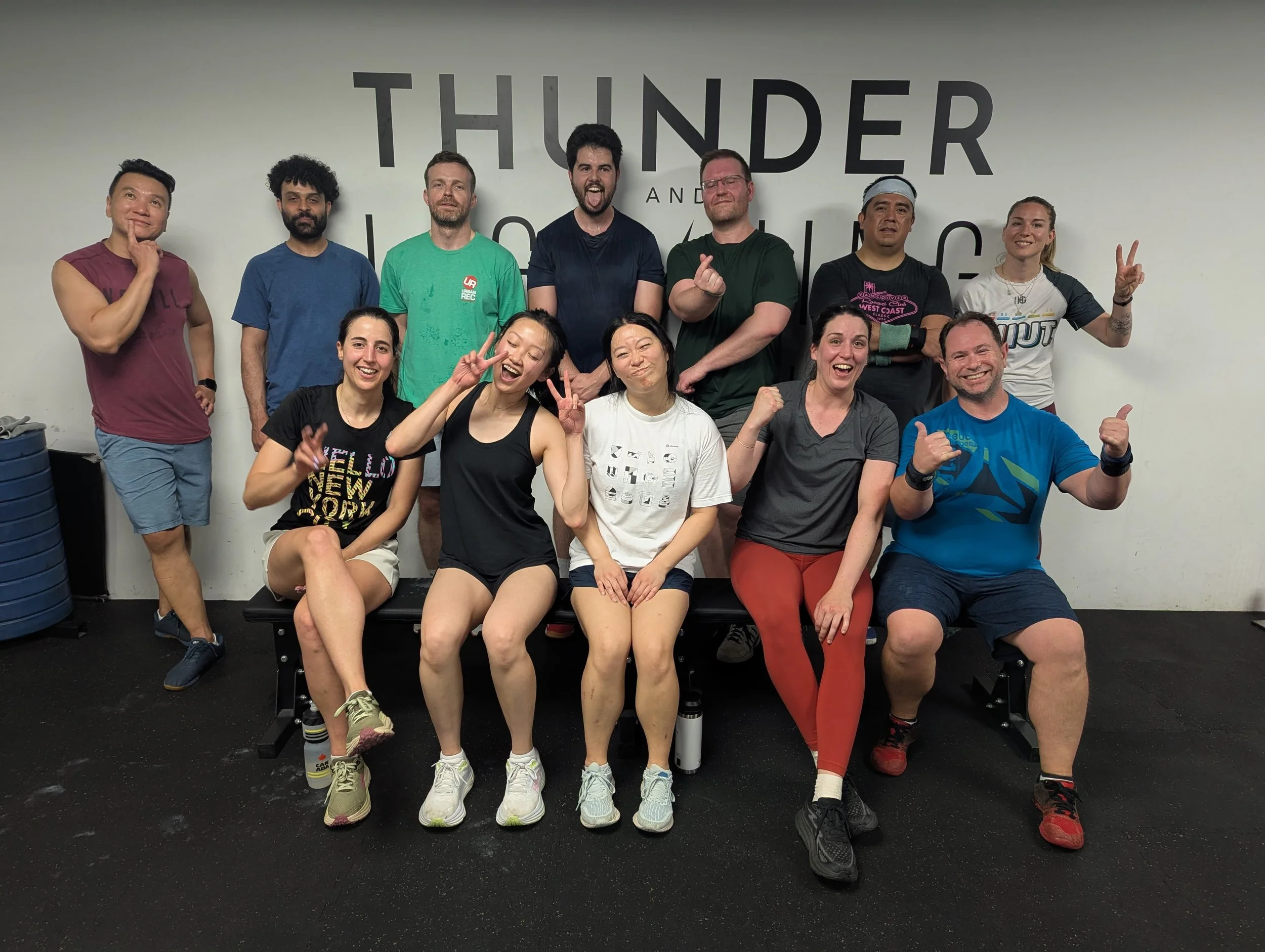
Training is the stimulus and food determines what you are going to build with.
The Bottom Line
Food is not just calories. It is information.
Every time you eat, you tell your body to either store fat or build muscle. You tell your body to be inflamed or to recover.
Don't overcomplicate it with trends.
Eat protein to repair the damage from the gym.
Eat vegetables to manage inflammation.
Stop eating processed food that ruins your sleep etc.
Treat food as fuel for the machine.
Stop Guessing, Start Getting Real Results
If you want to stop guessing and start understanding what your training and nutrition are actually doing, this is where data matters. At Thunder & Lightning, we use the EVOLT 360 body composition scan to track what the scale can’t show you: muscle mass, fat mass, balance, and real changes over time. This allows us to connect the dots between your training, your nutrition, your recovery, and your results.
EVOLT scans are included in our No Sweat Intro for new members and in goal reviews every 60-90 days for current members, so we can make informed decisions instead of chasing trends. If you’re ready to build strength, improve body composition, and play the long game the right way, book a consultation and let’s set your foundation properly.