
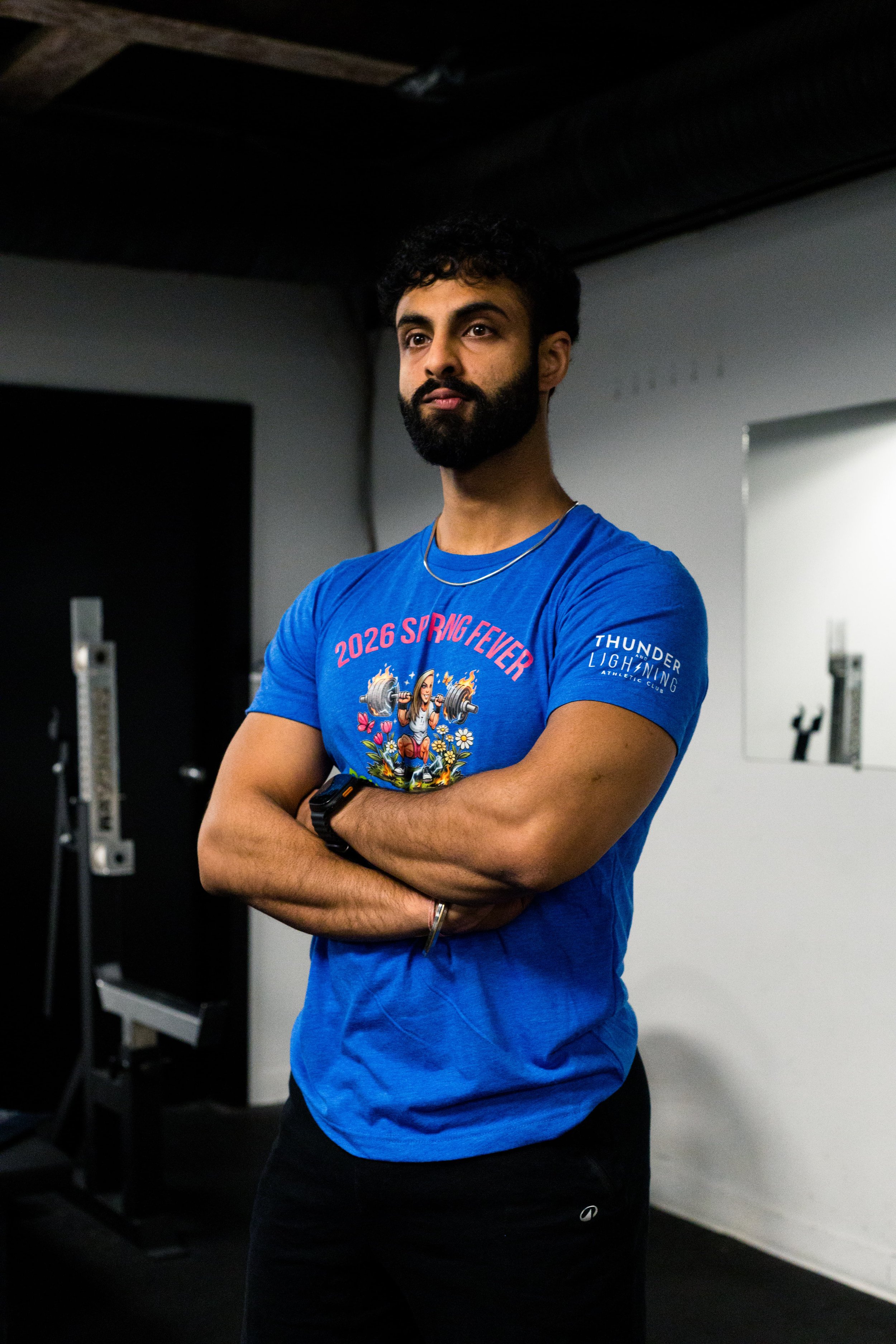
Don’t let your wearable make all your training decisions - it’s a tool, but not a ruler of your life.
We are seeing a big shift with people in our gym that are wearing something that tracks them. Rings, watches, bands and chest straps. This is great. People are taking their fitness seriously and are looking to get some more data on their workouts and their recovery. We’re not pro- or anti-wearable. We want people to know what these devices can actually measure accurately. A few of them are making training decisions for people who’d be better off making those decisions themselves.
To be clear, we support anything that gets you moving more and helps you stay on track and accountable. If your wearable is the reason you got into the gym or hit an extra 5000 steps, that’s a win and we’re not going to argue with it.
What they’re reasonably good at
Heart rate is solid, especially from a chest strap. Wrist and finger based sensors are decent at steady efforts but get worse the more your wrist or hand moves, so they can struggle during lifting and high intensity movements, but for steady cardio they’re great.
Step counts are good. Not perfect, but close enough that the trend is meaningful and measurable.
Resting heart rate is one of the better things on the device. Tracked over weeks and months it tells you something real about your fitness and your recovery. If your resting heart rate has drifted up five beats over a couple of weeks, something is going on.
Sleep duration is reasonable. Your watch knows roughly when you fell asleep and when you woke up.
What they’re guessing at
Calorie burn can be way off. Studies on wearables have found energy expenditure estimates off by 15 to 40 percent consistently and sometimes as far as 70%. On top of that, the error isn’t consistent, so you can’t even correct for it. The device doesn’t know your body composition, your metabolic rate, or your mechanical efficiency. It’s running an estimate off heart rate and movement.
This matters because people eat back calories they never burned. If your watch says you torched 700 in a session and you eat accordingly, that alone can wipe out your deficit. Treat the calorie number as a rough relative measure at best, and don’t do nutrition math with it. Again, use this to follow trends.
Measuring your sleep stages is an estimate presented as a measurement. Your device can’t see your brain activity. It’s inferring REM and deep sleep from heart rate, movement, and heart rate variability. Compared against a proper sleep lab, consumer devices do okay on sleep versus awake and come up slightly better than a coin toss on individual stages. The total is worth looking at. The breakdown is mostly entertainment.
Strain, readiness, and recovery scores are proprietary algorithms. Most companies haven’t published validation for them. They’re reasonable enough as a rough composite, but they’re not a measurement and they shouldn’t be treated as one.
Where HRV goes wrong
This is the one that costs people training.
Heart rate variability is a real physiological signal and it does reflect autonomic nervous system state. The problem is how people use it. They wake up, their app says HRV is low and recovery is 42 percent, and they skip the session.
Sometimes that’s right. If you’re genuinely sick or you’ve been grinding for weeks without a break, pay attention.
But low HRV on a given morning can come from a glass of wine, a late meal, a hot room, poor sleep, work stress, or nothing identifiable at all. It’s a noisy daily signal. Here’s the thing we see constantly: people come in on a day their device told them they were wrecked, train well, feel better afterwards, and their numbers are back to normal the next morning. The training was the thing that fixed it.
Skipping sessions because an algorithm had an opinion about your morning is a bad trade. You don’t just lose the session, you lose the habit a bit, and you hand the decision to something that doesn’t know you were only tired because the dog woke you at 2am.
Use HRV as a trend over weeks, not a verdict on your Thursday. If it’s been trending down for two or three weeks alongside a rising resting heart rate and you feel flat, that’s worth acting on. One low morning is not.
When tracking starts working against you
There’s a documented pattern called orthosomnia, where people become so fixated on their sleep scores that the anxiety about sleeping well makes them sleep worse. The number creates the problem it was supposed to measure.
The same thing happens with readiness scores. Somebody wakes up feeling fine, checks their phone, sees a bad number, and spends the day feeling tired because the device told them they should be.
If you notice yourself checking your scores before you’ve even assessed how you feel, that’s a signal. The device should be informing your judgment, not replacing it. You’ve been in your body a long time. It has information too.
Your Watch shouldn’t make all your health decisions.
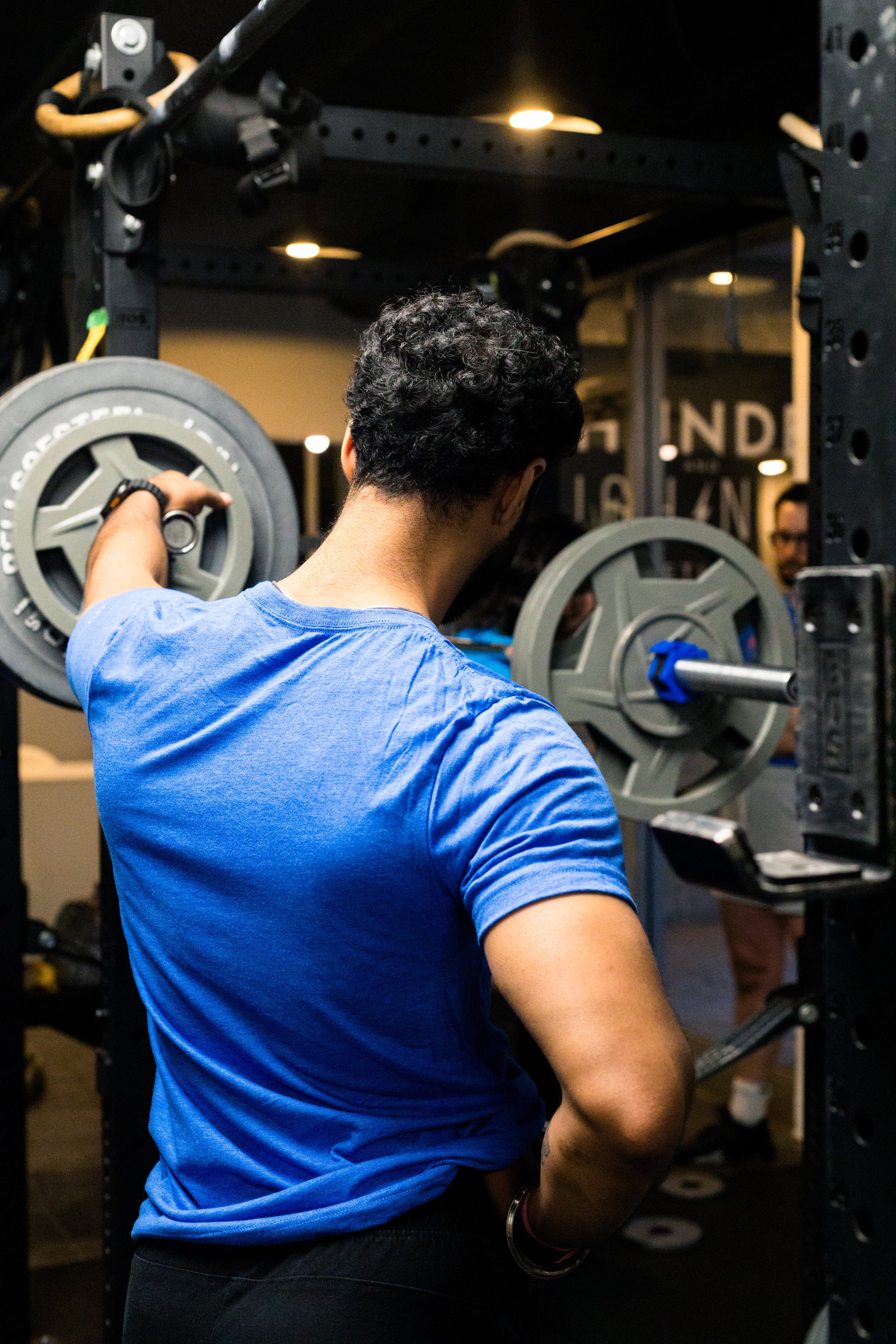
Use your wearable data as a tool, but not as a daily verdict of how your day will go.
What’s actually worth tracking
Short list.
Resting heart rate, as a trend. The most useful single number on the thing.
HRV, as a trend over weeks. Not as a daily verdict.
Sleep duration. Are you consistently getting seven to nine hours or are you not? That’s the question. The stage breakdown isn’t worth your attention.
Steps or general daily movement. A decent proxy for whether you’re moving outside the gym.
The thing it can’t do
A wearable can tell you your heart rate was 165. It can’t tell you your bar path drifted forward on your third set, or that your squat depth started to fade as you fatigued.
It gives you numbers. It doesn’t give you a plan, and it doesn’t notice when something’s off. That part still needs a person.
Take the Next Step
If you’ve got a drawer full of data and no plan to go with it, come in for a free No-Sweat Intro and we’ll sort out what’s actually worth paying attention to.