
How to Meal Prep with Your Kids (And Why It Actually Matters)
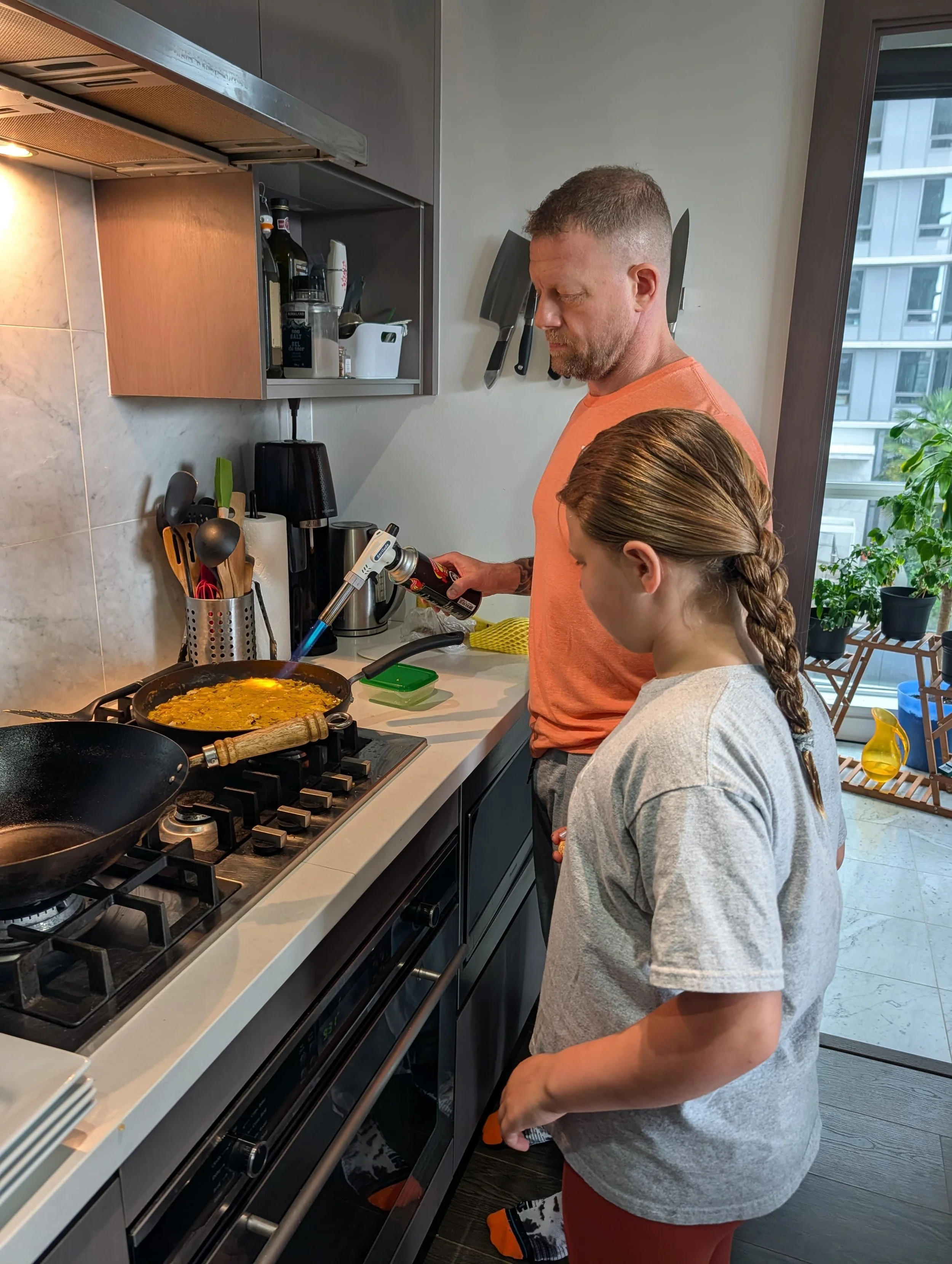
When kids are involved in food prep, they become invested in the outcome.
Getting kids to eat well is one of the more persistent challenges of parenting. You can put the right food on the table every night and still lose the battle if the food feels like something happening to them rather than something they're part of.
The research on this is consistent. Kids who are involved in food preparation are more likely to eat what's made, more likely to try new things, and more likely to develop a positive relationship with food that carries into adulthood. The involvement itself is the intervention. It doesn't matter that much whether they're actually helping in a useful way. What matters is that they feel like they have a role.
Here's how to make that work practically, for different ages, across the whole meal prep process.
Why This Is Worth the Extra Effort
Involving kids in meal prep takes longer. The chopping is slower, the measuring is messier, and you'll spend more time supervising than you would just doing it yourself. That's the honest truth and it's worth acknowledging upfront.
But the payoff is long term and it's real. A child who grows up understanding where food comes from, how it's prepared, and why certain choices are better than others doesn't need to be convinced to eat well as a teenager or an adult. That understanding is already built in. You're not fighting a battle every night at the dinner table. You're building something that runs in the background for years.
The other thing that happens when kids are involved is that they become invested in the outcome. A seven year old who helped measure the ingredients for a meal is not the same as a seven year old who was handed a plate and told to eat it. One of them has ownership. The other doesn't. Ownership changes everything when it comes to willingness to try something new.
For Younger Kids (Ages 5 to 10): Simple Jobs With Real Importance
Younger kids don't need complicated tasks. They need tasks that feel real and matter to the outcome of the meal. The goal at this age is involvement and positive association with the kitchen, not culinary skill development.
Reading the recipe. Even kids who aren't strong readers yet can follow along as you read a recipe out loud. Point to the ingredients as you name them. Ask them to find things in the fridge or pantry. This builds food literacy without requiring any hands-on cooking skill.
Washing vegetables. Simple, safe, and genuinely useful. Handing a five year old a bunch of broccoli and a colander gives them a real job that contributes to the meal. Make it their job every time and it becomes something they own.
Measuring and pouring. Scooping a cup of rice, measuring out two tablespoons of olive oil, pouring a can of tomatoes into a pot. These are tasks that require attention and feel important. They also sneak in some basic numeracy without anyone noticing.
Tearing and mixing. Tearing lettuce for a salad, mixing a marinade, stirring something on the stove with supervision. Physical tasks that don't require sharp objects or hot surfaces are ideal for this age group.
Portioning. Putting equal amounts of food into containers, counting out servings, deciding how much of something goes where. Kids who understand portions early develop an intuitive sense of appropriate quantities that most adults have to consciously relearn.
The key at this age is letting them do the task even when it's imperfect. A slightly uneven chop or a measurement that's not quite exact is worth infinitely more than a perfectly prepared meal they had no part in.
For Older Kids (Ages 10 to 14): Real Responsibility and Research
Older kids can handle more and they respond better when they're treated as capable. The goal at this age is to give them tasks that feel like genuine contribution rather than busywork.
Actual chopping and prep. With proper knife guidance and supervision, kids in this age group can handle real food prep. Teach technique. Talk about why you cut different things different ways. Make it a skill they're developing, not just a chore they're completing.
Looking up recipes and substitutions. This is where older kids can contribute in a way that younger ones can't. Ask them to find a recipe for something specific. Ask them to look up a healthier substitution for an ingredient, Greek yoghurt instead of sour cream, cauliflower rice instead of white rice, a different cooking method that changes the nutritional profile. This is the kind of task that builds food knowledge without feeling like a lesson.
Researching the why. A thirteen year old who looks up what protein does for muscle recovery, or what fibre does for digestion, or why vegetables of different colours provide different nutrients, is learning something that will stick because they found it themselves. Ask them to bring one food fact to the meal prep session each week. Most of them will take that job seriously.
Planning a meal. Give an older kid the parameters, protein, vegetables, something filling, budget of around twenty dollars, and ask them to plan a meal. Let them take it through to cooking with supervision. The ownership they feel over a meal they planned and helped cook is a completely different experience from being handed a plate.
Taking on a night. Some families find that giving an older child ownership of one dinner a week changes the dynamic entirely. They plan it, they shop for it with you, and they cook it. The learning that happens in that process is hard to replicate any other way.
Involving kids in food prep sets them up for healthy choices.
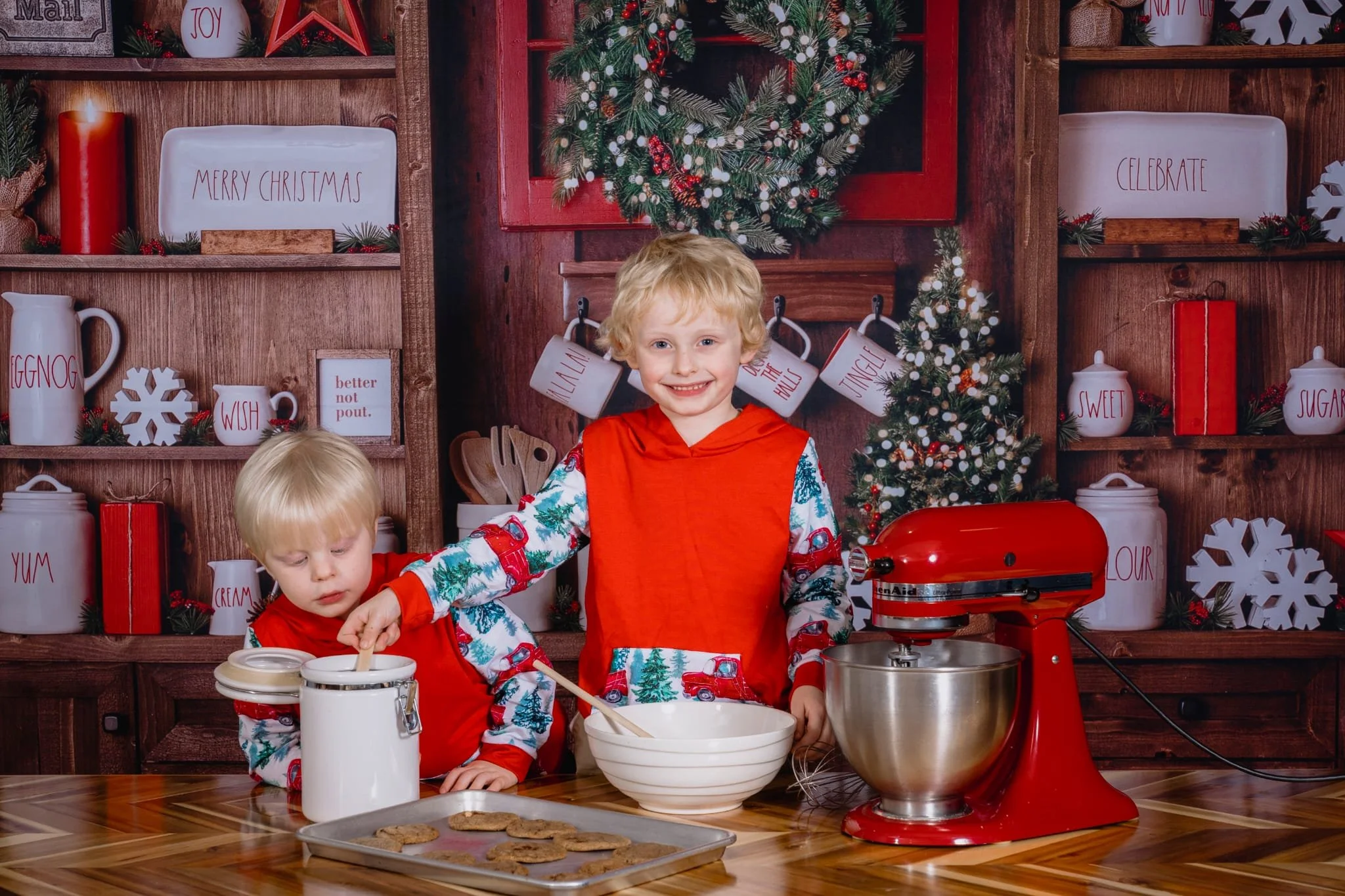
Connection to food is key to healthy choices.
For the Kids Who Don't Want to Be in the Kitchen
Not every kid wants to be in the kitchen and pushing it creates the opposite of the association you're trying to build.
For those kids, involvement can look different. They can be the researcher who looks up the nutritional benefits of what's being made. They can be the one who reads the recipe out loud from the couch while you cook. They can help with the planning even if they're not present for the preparation.
The goal is connection to the food and understanding of why the choices being made are good ones. That can happen without a knife in hand.
Making It a Habit Rather Than an Event
The mistake most parents make is treating meal prep as a one-off activity rather than a consistent part of the weekly routine. A kid who helps with dinner once has had a nice experience. A kid who helps with dinner every Sunday develops a relationship with food and cooking that compounds over years.
Start small. Pick one task per child per session. Keep the expectation low and the praise high. Let it be imperfect. Over weeks and months the skills build, the interest grows, and the battle over what's on the plate gets significantly quieter.
The families we see who eat well consistently almost always have one thing in common. Food is talked about, prepared together, and understood rather than just consumed. That culture doesn't happen by accident. It's built in the kitchen, one Sunday afternoon at a time.
Take the Next Step
Nutrition is one of the things we work on with every member at Thunder & Lightning. If you want help building eating habits that work for your whole family, come in for a free No-Sweat Intro and let's talk through it.