
How Diet Contributes to Joint Pain
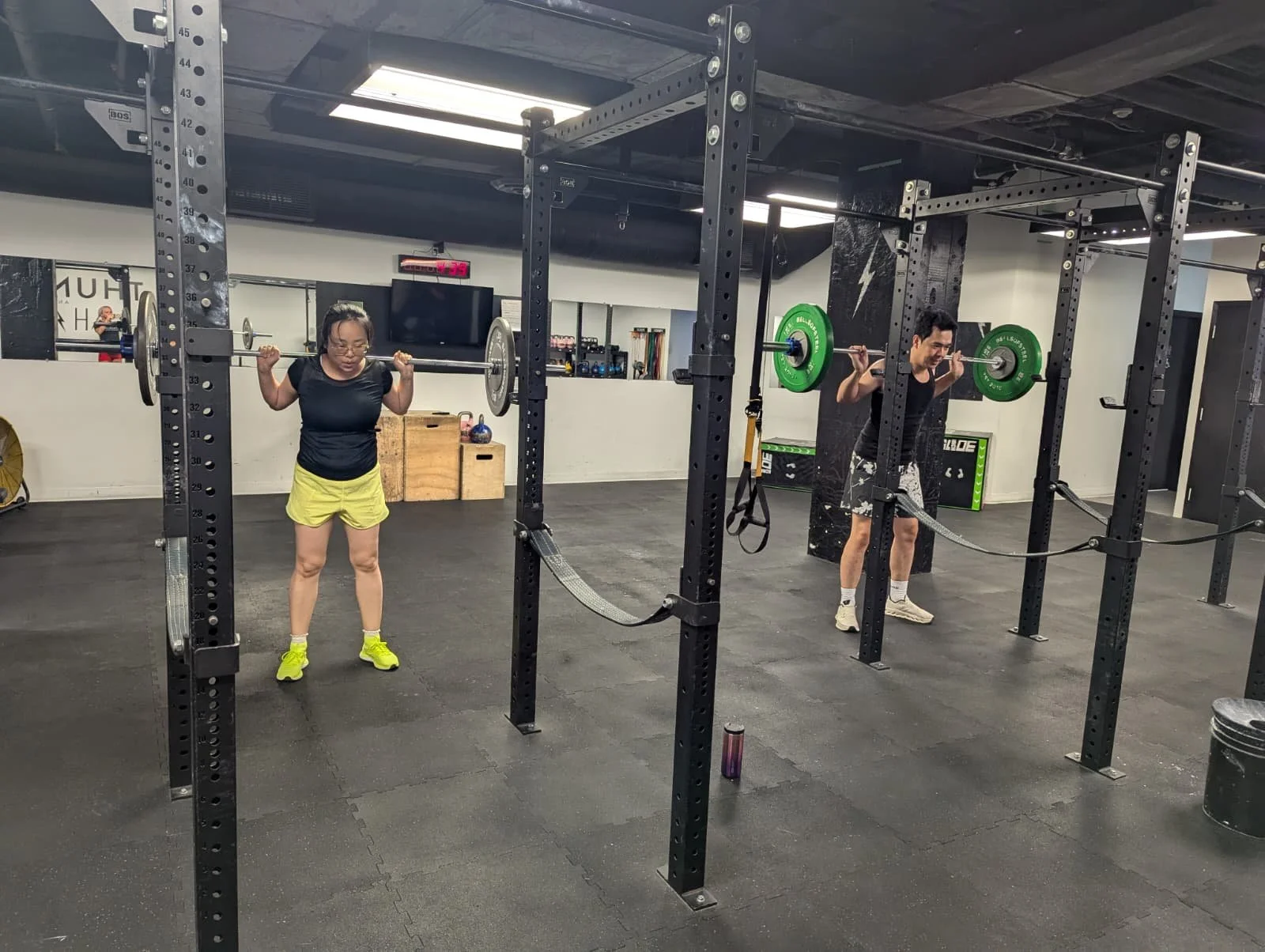
Joint pain isn’t something you just have to live with and it’s rarely just a training problem.
When your knees ache after a workout, or your lower back feels stiff in the morning, the immediate assumption is mechanical. "I squatted too heavy," or "I must have bad form."
While mechanics matter, there is often a silent culprit that has nothing to do with the barbell: Systemic Inflammation.
You might be treating a "bad knee" with ice and rest, when you should be treating it with better nutrition. Here is the physiology of how food affects your joints.
Acute vs. Chronic Inflammation
Not all inflammation is bad.
Acute Inflammation: This is the body's healing response. You sprain an ankle; it swells. This brings blood flow and white blood cells to repair the tissue. This is necessary.
Chronic (Systemic) Inflammation: This is when your body is in a constant state of low-grade alarm. The immune system is hyper-active, attacking healthy tissues, including your joints.
If your diet is inflammatory, your joints are constantly fighting a chemical battle, making them sensitive, stiff, and slow to recover.
The Big Offenders
1. Sugar and "Stiff" Joints We know excess sugar can lead to weight gain, which adds mechanical load to your knees. But the chemical effect is worse. Chronic high blood sugar increases the production of AGEs (Advanced Glycation End-products). These compounds effectively "gum up" your tissues. They can attach to the collagen in your cartilage and tendons, making them stiff and brittle rather than elastic. If you feel "creaky" in the morning, sugar may be playing a role.
2. The Omega Ratio (Seed Oils) Your body needs both Omega-6 fatty acids (found in vegetable oils) and Omega-3 fatty acids (found in fish). However, they compete for the same enzymes in your body. Ancestrally, humans ate these in a balanced 1:1 ratio. Today, due to processed foods and industrial seed oils (soybean, corn, canola), the standard diet is closer to 20:1 in favor of Omega-6. When the ratio is this skewed, your body’s chemical pathways tip toward inflammation.
3. Alcohol and Dehydration Joints are lubricated by synovial fluid. This fluid reduces friction and cushions the impact of your steps. Alcohol is a diuretic: it pulls water out of the body. If you are chronically dehydrated, you are reducing the volume of that cushioning fluid. Friction increases, and so does the ache.
4. Food Sensitivities (The Personal Variable) For some people, specific foods can trigger an immune response that manifests as joint pain. Common culprits include:
Gluten: In non-celiac gluten sensitivity, joint pain is a common reported symptom.
Nightshades: (Tomatoes, peppers, eggplant). While healthy for most, some people with existing autoimmune issues find these vegetables trigger joint flares.
Dairy: Can be inflammatory for those who cannot process casein or lactose.
Note: These are not bad for everyone. But if you have unexplained pain, they are worth investigating.
If you want your knees to stop hurting, you need to lower the systemic inflammation.
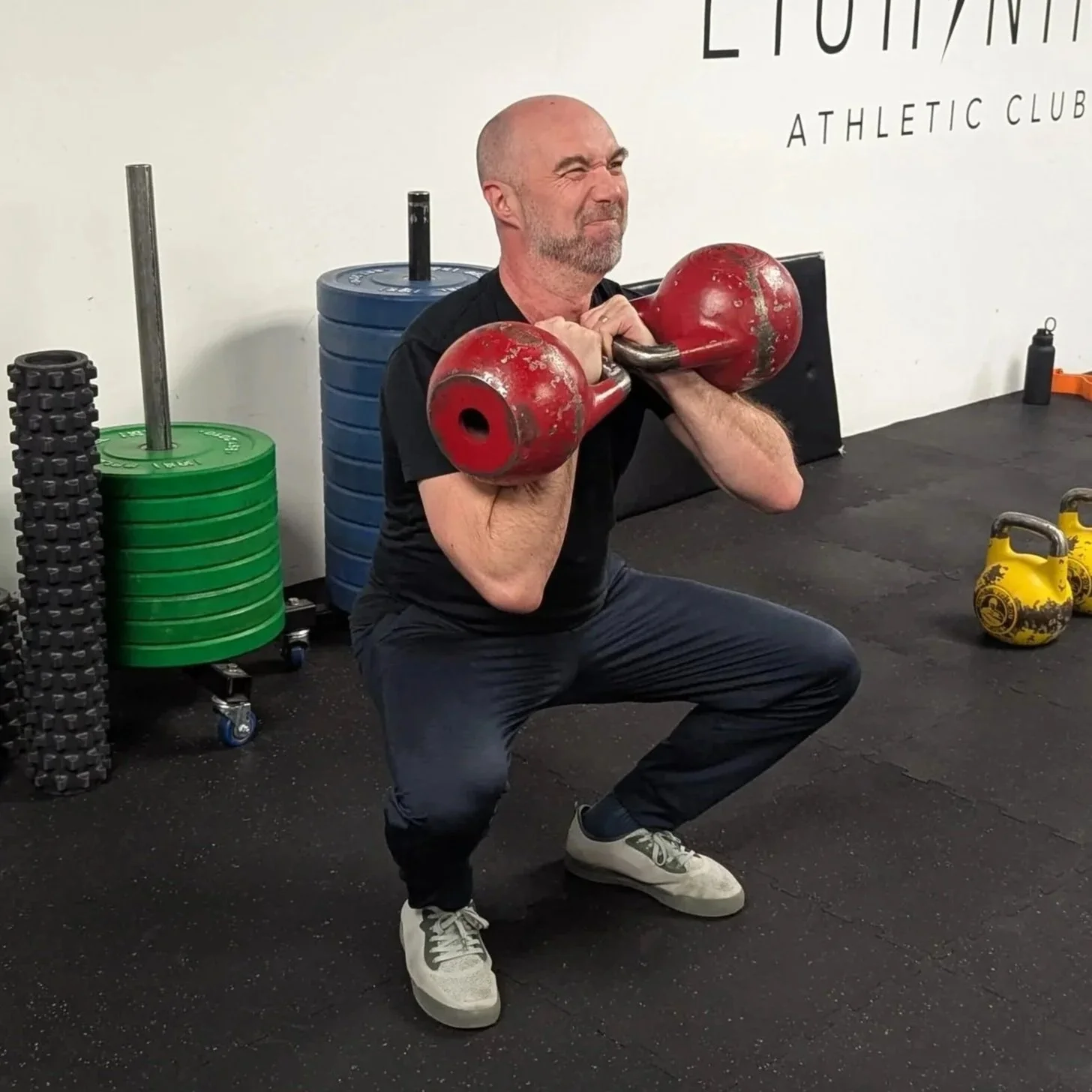
Make sure your food supports your joints, not breaks it down.
The Solution: Put Out the Fire
If you want your knees to stop hurting, you need to lower the systemic inflammation.
Fix the Omega Ratio: Reduce processed oils (fried foods, salad dressings) and increase Omega-3s (salmon, mackerel, or a quality fish oil supplement).
Drink Less Alcohol and Hydrate: Reduce overall alcohol intake and drink water to keep your cartilage spongey and lubricated.
Eat Whole Foods: The less processed the food, the less likely it is to contain additives that trigger inflammation. Fill your plate with vegetables and protein at each meal.
You are doing the work in the gym to build a strong body. Make sure your food isn't breaking it down.
We’re here to help.
Joint pain isn’t something you just have to live with and it’s rarely just a training problem. What you eat, how you sleep, how you manage stress, and how you move all work together to determine how your body feels.
At Thunder & Lightning, we don’t just coach workouts. We build complete lifestyle strategies that help you train hard, recover well, and move pain-free.
If your joints are holding you back, let’s fix the root cause, not just the symptoms. Book a free consult and let’s build your plan.