
What Intense Exercise Actually Does to Your Heart
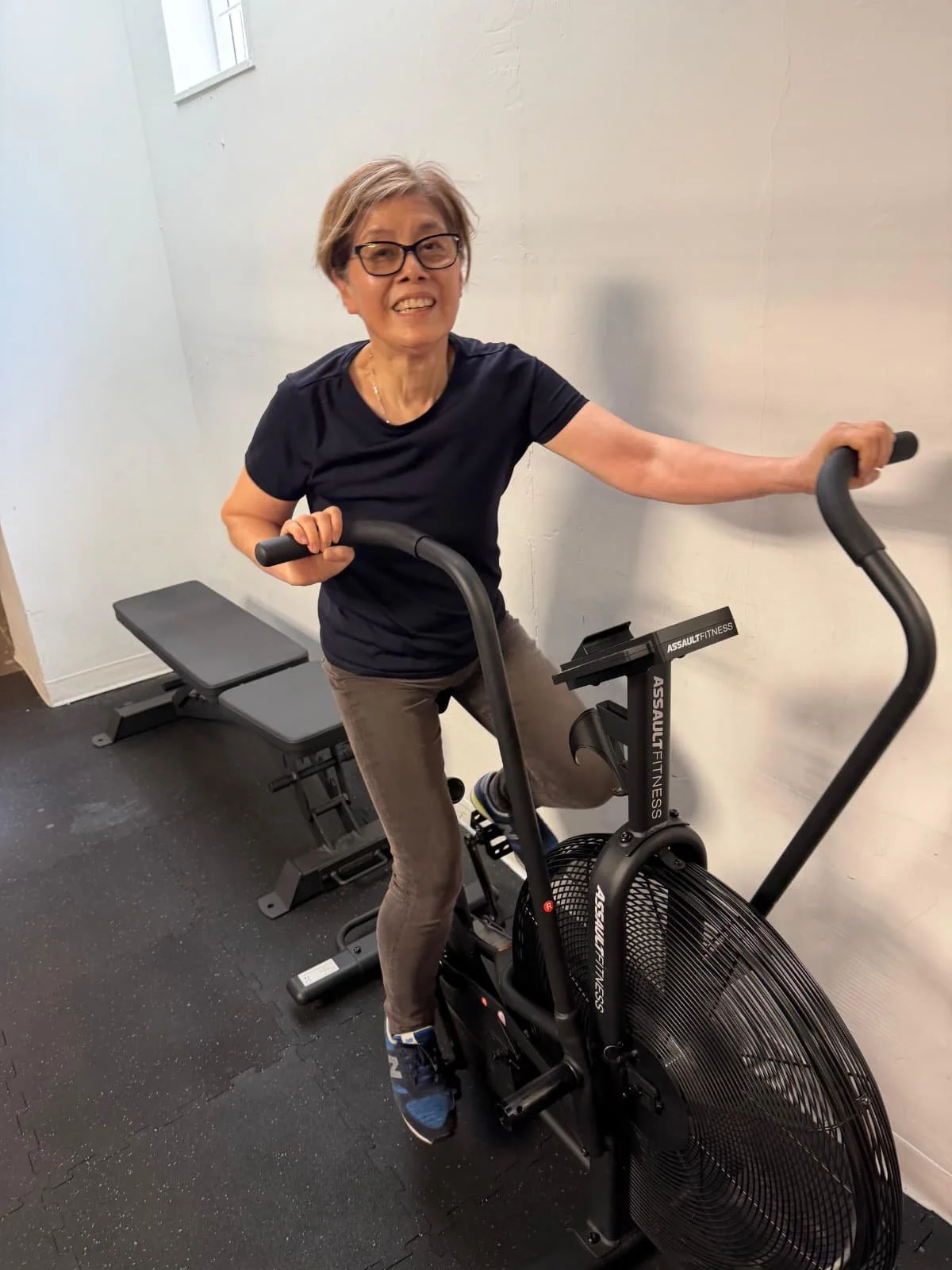
Intense exercise can help prevent your heart from getting stiff.
Most people think about exercise in terms of what it does to their body on the outside. The muscle they build, the weight they lose, the way their clothes fit. Those things are real and they matter.
But there is something happening on the inside that most people never think about, and it might be the most important argument for training hard that exists.
Your heart is a muscle. And like every other muscle in your body, it responds to the demands you place on it. Train it hard enough, consistently enough, and it adapts. It gets stronger, more efficient, and more resilient. Leave it unchallenged for long enough and it does the opposite.
The Problem With Sedentary Aging
Here's something worth knowing. As we age, the heart naturally becomes stiffer. The left ventricle, the chamber that pumps blood out to the rest of your body, loses some of its elasticity over time. A stiffer heart doesn't fill with blood as well between beats, which means it pumps less efficiently. This process is one of the primary drivers of a condition called heart failure with preserved ejection fraction, one of the most common forms of heart failure in older adults and one of the most difficult to treat.
What makes this particularly sobering is that the process happens gradually and invisibly. You don't feel your heart getting stiffer. There's no obvious warning sign. It just happens, quietly in the background, over years of sedentary living.
The good news is that exercise can stop it. And more than that, it can actually reverse it.
What the Research Shows
A landmark study published in the journal Circulation followed healthy, sedentary middle aged adults over two years. One group followed a supervised high intensity exercise program. The other group continued their normal sedentary lifestyle.
The results were striking. The exercise group improved their VO2 max, which is a measure of cardiovascular fitness, by 18 percent. But the more remarkable finding was what happened to their heart stiffness. Two years of structured, high intensity exercise measurably reduced the stiffness of the left ventricle. The heart became more elastic, filled with blood more effectively, and pumped more efficiently.
The sedentary group showed no change. Their hearts continued on the trajectory that sedentary aging produces.
The researchers concluded that regular high intensity exercise may protect against future heart failure risk by preventing the increase in cardiac stiffness that comes with an inactive life. Put simply: training hard doesn't just make you fitter. It keeps your heart younger.
Why Intensity Matters
This is the part that catches people off guard. It's not just any exercise that produces these cardiac adaptations. The study used high intensity exercise specifically, and the broader research on heart health points in the same direction.
Walking is good. Gentle movement is better than nothing. But the adaptations that actually change the structure and function of your heart, the ones that reduce stiffness, improve the heart's ability to fill and pump, and build the kind of cardiovascular reserve that protects you as you age, require intensity. They require pushing your heart rate into ranges that feel genuinely hard.
The research on HIIT, high intensity interval training, is particularly compelling in this area. Compared to moderate intensity continuous exercise, HIIT produces greater improvements in VO2 max, better results for blood pressure, heart rate, and vascular function, and stronger adaptations in the heart muscle itself. It increases stroke volume, the amount of blood pumped per beat, reduces resting heart rate, and improves the heart's ability to respond to demand. A 2025 study found that combining short activity breaks throughout the day with HIIT every other day could directly counteract the cardiac effects of a sedentary lifestyle.
CrossFit style training, which combines strength and conditioning with high intensity intervals, produces similar cardiovascular adaptations. The sustained heart rate elevations during a well programmed CrossFit session place demands on the cardiovascular system that contribute directly to cardiac conditioning over time.
Intense exercise stops your heart from becoming stiffer.
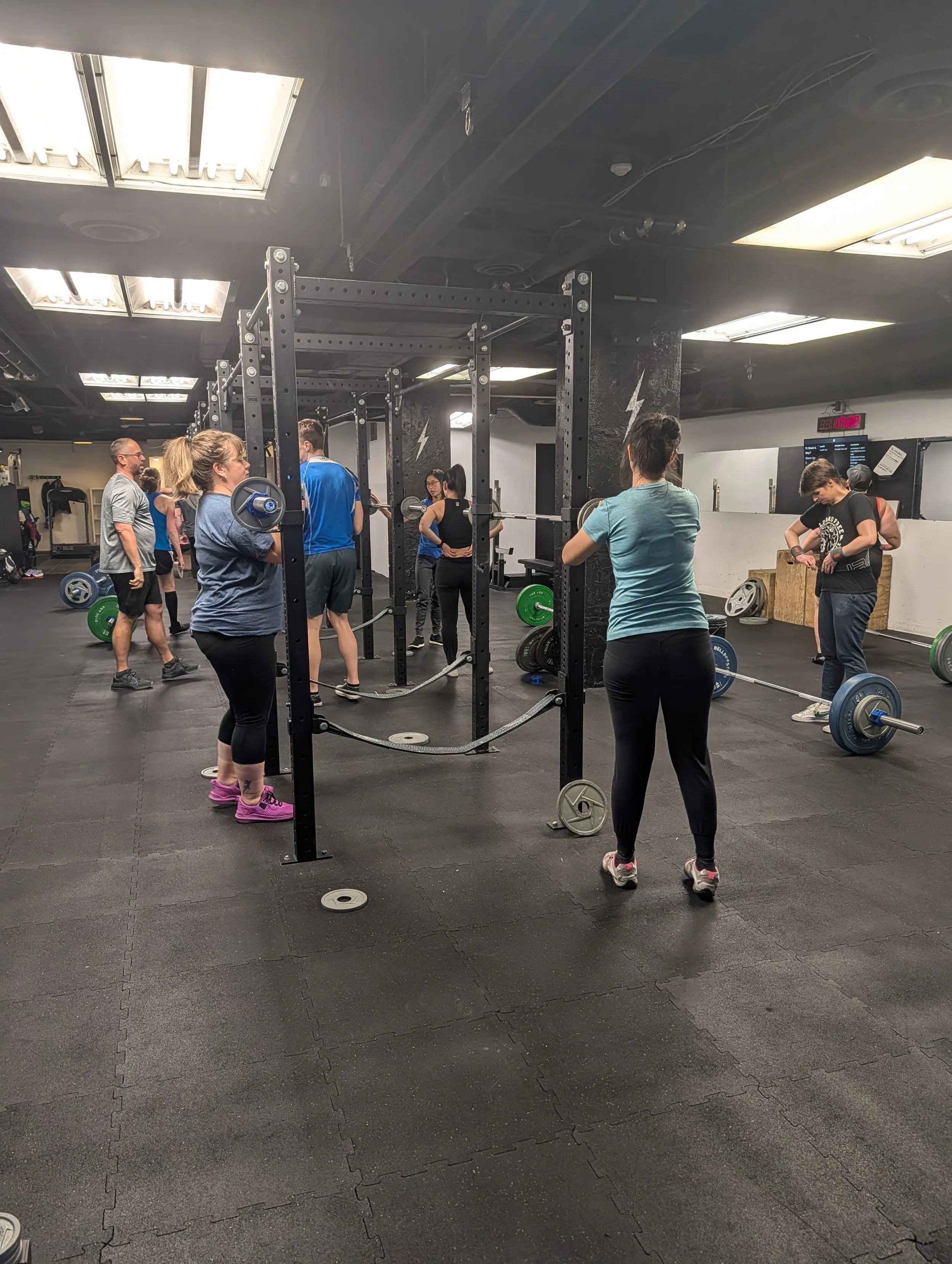
HIIT style training (intense exercise) produces the best adaptations for a healthy cardiovascular system.
What This Means in Practice
None of this means you need to be training like an athlete. The study that found these cardiac benefits used middle aged, previously sedentary adults. These were regular people, not competitors. What they did was train consistently and push themselves hard enough to actually stress the cardiovascular system.
That looks like sessions where you're breathing hard. Where the last few reps feel genuinely difficult. Where your heart rate is elevated and stays elevated for a meaningful portion of the session. It doesn't have to be every session. But it needs to happen regularly.
This is one of the reasons we program intensity into our classes at Thunder & Lightning rather than keeping everything at a comfortable, manageable pace. Comfortable doesn't change the heart. Hard work does.
The Window You Probably Didn't Know Existed
The researchers in the cardiac stiffness study found something else worth knowing. There appears to be a window in middle age, roughly your 40s and 50s, where the heart is still responsive to this kind of intervention. Start training hard in that window and you can preserve and improve cardiac elasticity in a way that pays dividends for decades.
Wait too long and the stiffness that has accumulated becomes harder to reverse. The window doesn't close entirely but it narrows.
If you're in your 40s or 50s and you've been meaning to start training seriously, this is the most compelling argument we know of for not waiting any longer.
Take the Next Step
If you want to train in a way that's actually doing something meaningful for your long term health, let's talk. Sit down with us for a free No-Sweat Intro and we'll build a plan that works for where you are right now.